






Understanding the psychology behind your gambling choices A deep dive into decision-making processes
The Role of Cognitive Biases in Gambling
Cognitive biases significantly influence how individuals make decisions while gambling. These biases can lead players to overestimate their skills or underestimate the risks involved. For instance, the illusion of control is a common bias where gamblers believe they can influence the outcome of a game, leading them to take unnecessary risks. This misconception often results in continued play, even when the odds are not in their favor. Many players also engage with online casino platforms which can further complicate their decision-making.
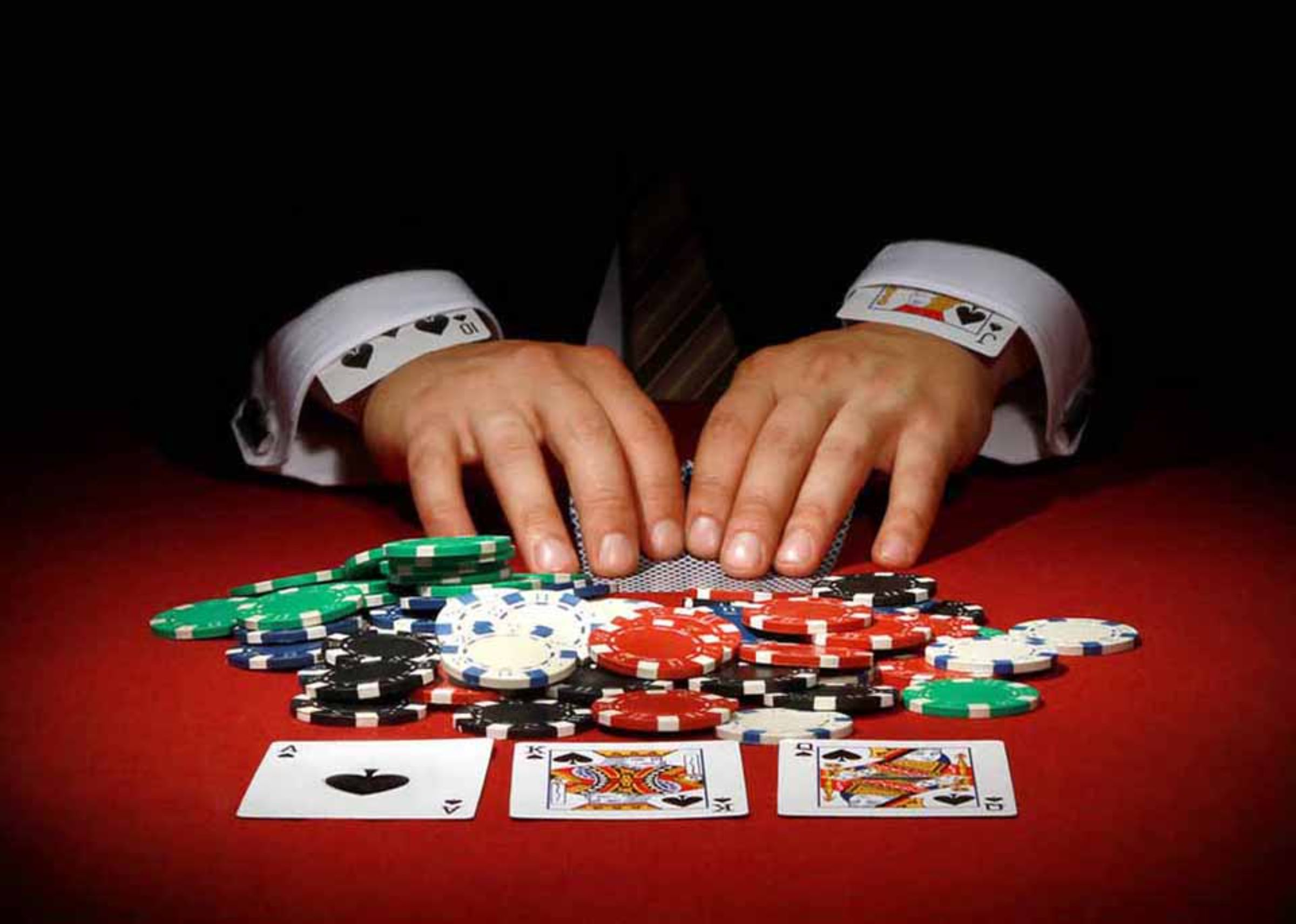
Another cognitive bias that plays a role in gambling is the availability heuristic. Gamblers may remember recent wins more vividly than losses, which can skew their perception of probability. This can create a false sense of confidence and encourage further gambling, despite the inherent risks. Understanding these biases can help individuals become more aware of their decision-making processes and potentially mitigate impulsive gambling behaviors.
The Emotional Factors Behind Gambling Choices
Emotions are a critical component in gambling decision-making. Many gamblers chase after the thrill of a win, leading to an emotional high that can be addictive. When players experience loss, they might engage in ‘loss chasing,’ where they continue to gamble in hopes of recouping their losses. This cycle of highs and lows creates a rollercoaster of emotions that can cloud judgment and lead to further irrational choices.
Moreover, social factors also play a significant role in gambling. The excitement of gambling in a group setting or at a famous casino can amplify emotional responses. Peer pressure can lead individuals to make decisions that they would typically avoid when gambling alone. Recognizing these emotional triggers can empower gamblers to make more rational choices and promote responsible gaming practices.
The Influence of Environment on Gambling Behavior
The environment in which gambling takes place can profoundly impact decision-making. Casinos are designed to create a specific atmosphere, using lighting, sounds, and even scents to heighten excitement and prolong play. This sensory stimulation can lead players to lose track of time and money, further enhancing the chances of making impulsive decisions.
Online gambling has introduced an entirely different environment that is equally influential. The convenience of playing from home can lead to overindulgence, as players might not fully recognize the risks associated with their choices. Understanding how these environmental factors affect gambling behavior is crucial for developing strategies to maintain control and make better decisions.
The Impact of Skill and Strategy on Decision-Making
Many gamblers believe that skill and strategy can significantly improve their chances of winning. While this may be true in certain games like poker, where skill plays a larger role, many other gambling activities rely heavily on chance. However, the perception of skill can still influence decision-making processes. Players often feel more confident when using a strategy, which can lead to increased risk-taking behavior.
Additionally, the development of strategies can create a sense of ownership and investment in the game. This can be beneficial; however, it may also lead to overconfidence and poor choices. Understanding the limitations of skill in gambling can help individuals temper their expectations and make more informed decisions during gameplay.

Explore Our Website for Responsible Gambling Resources
Our website is dedicated to promoting responsible gambling practices by providing valuable resources and insights into the psychology behind gambling decisions. We aim to educate players on the various factors that influence their gambling choices and empower them to make informed decisions. By understanding these processes, individuals can better manage their gambling activities and reduce the risk of developing harmful habits.
In addition to educational content, we also offer tools and support for those seeking help with gambling-related issues. We believe that awareness and knowledge are essential components of responsible gambling, and our resources can assist individuals in navigating their gambling experiences with a more mindful approach.
